
What is Rice
Rice is an edible seed with lots of main character energy. More than half the world eats it as a staple, especially across Asia and Africa. When we eat rice, we’re eating the plant’s seed. Most commercial rice comes from a grass grown in flooded fields. 🌾
That’s what makes it a cereal grain: it’s an edible seed from the grass family.
When I say “true rice,” I mean the real deal: rice from the Oryza genus. There are two domesticated species, as far as food goes: Oryza sativa (Asian rice), not to be confused with that other sativa, is basically any rice you’d find at the grocery store. Oryza glaberrima (African rice), which is less common unless you’re reading this from West Africa or listening to Toto.
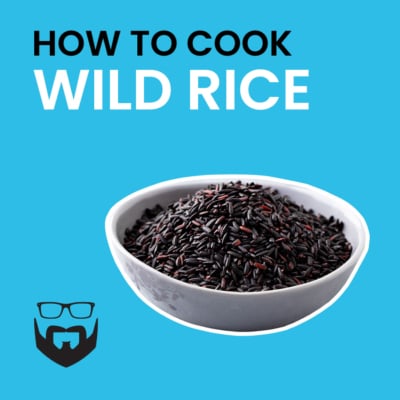
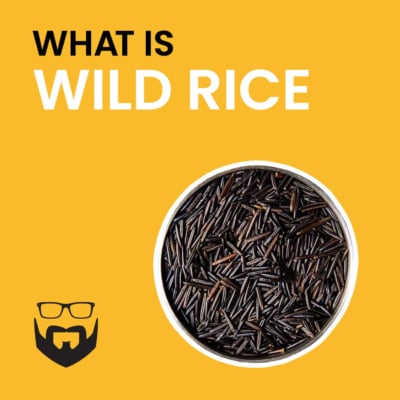
And I’m saying “true rice” on purpose, because the word “rice” is doing way too much. Some foods are out there using the word like a low-budget Netflix reboot. Wild rice, for example, is botanically distinct from true rice, not in the genus Oryza, but the genus Zizania. Totally different.
Of course, cauliflower rice… also not a true rice.
Long, Medium, & Short Grain Rice Explained
There are over 120,000 different rice varieties worldwide. However, when it comes to what you see in the store, rice usually gets sorted into 3 shape categories based on the kernel’s length-to-width ratio: long-grain, medium-grain, and short-grain.
Grain length is rice’s personality test, in a “your rice will be fluffy or sticky” kinda way. It predicts the texture once cooked. Is it fluffy and hangin’ loose or is it a stage 5 clinger? These grain-size categories were formalized into standards by the USDA back in 1968.
Size does matter. 🍆
Okay, size itself is not what magically makes rice sticky, but there’s a correlation between grain size and the 2 main categories of rice starch. Amylose = separate and fluffy. Amylopectin = sticky and clingy.
These differences in starch began with natural variation. But early domestication and cultivation also helped lock in these traits, and modern breeding finished the group project. 🚜
Here are the different sizes explained.
Long-Grain Rice
Long-grain kernels are 3 to 5 times longer than they are wide, long and slender, typically 6mm or longer in length. They are high in amylose starch, cooking up light, fluffy, and separate, like they have boundary issues. Common long-grain varieties include basmati and jasmine rice.
Best for pilafs, stir-fries, salads, or anytime you want rice that doesn’t turn into a giant cuddle puddle.
Medium-Grain Rice
Medium-grain kernels are 2 to 3 times longer than they are wide, shorter and wider than long-grain, typically 5mm long or so. The Jan Brady of rice, square in the middle, cooking up tender and chewy, likely to cling as they cool. Arborio is a popular medium-grain rice.
Best for risotto, some paella, rice pudding, or any dish where you want the rice to be co-dependent.
Short-Grain Rice
Short-grain kernels are less than 2 times longer than they are wide, almost round, typically 4mm long. The chode of rice. They are high in amylopectin starch, making this rice very sticky and moist (sorry!) when cooked. This is why short-grain rice is often used for sushi.
Best for sushi, rice balls, or any of those weird molded rice things.
How Rice is Processed
Processing is basically rice’s makeover montage. It changes cook time and texture, and it even affects how much you need to rinse, because milling, polishing, and handling create surface starch, dust, and other broken bits, and the recipe decides whether washing that off helps or hurts.
Brown rice is “au naturel”, wearing its bran and germ like Biggie in a puffer jacket, so it’s nuttier, chewier, and takes longer to cook. White rice is brown rice that’s had some work done, with the bran removed it is quicker to cook, and milder in flavor. Parboiled (converted) rice is partially boiled in its husk, so it comes out firmer and more separate. Enriched rice is white rice with some vitamins and minerals added back in. And instant rice is the frozen pizza version of rice, pre-cooked and dried so it’s ready fast, but is the most likely to get weird if you rinse or soak it.
Why Rinse Rice
To quote George Michael, “There’s things that you guess, and things that you know.” Rinsing rice is still guesswork for many people, and I get why. Turns out the answer is yes, absolutely rinse… except when it’s a hard no. Of course, Bobby Flay saying he never rinses rice really clears that up. Not! 🤷♂️
There’s a cheat sheet below on what rice to rinse, but here is the why: it depends on variety, grain type, how the rice was processed, starch, and what dish you’re cooking.
If a rice has extra surface starch and you do not wash it off, it can turn the outside into glue. More sticking, more burning, more foam, and more boil-overs. Plus, you are also cooking up dust from milling, bits of bran, and other debris. Ew, David.
But some rice needs that starch. Rinse risotto rice and you summon the wrath of 1,000 nonnas. Rinse instant rice and it gets mushy. Rinse enriched rice and you can wash away the good stuff. Rinse paella rice and it cooks up a little dry.
BTW, rinsing rice does not sanitize it. Cooking does the safety part.
How to Rinse Rice
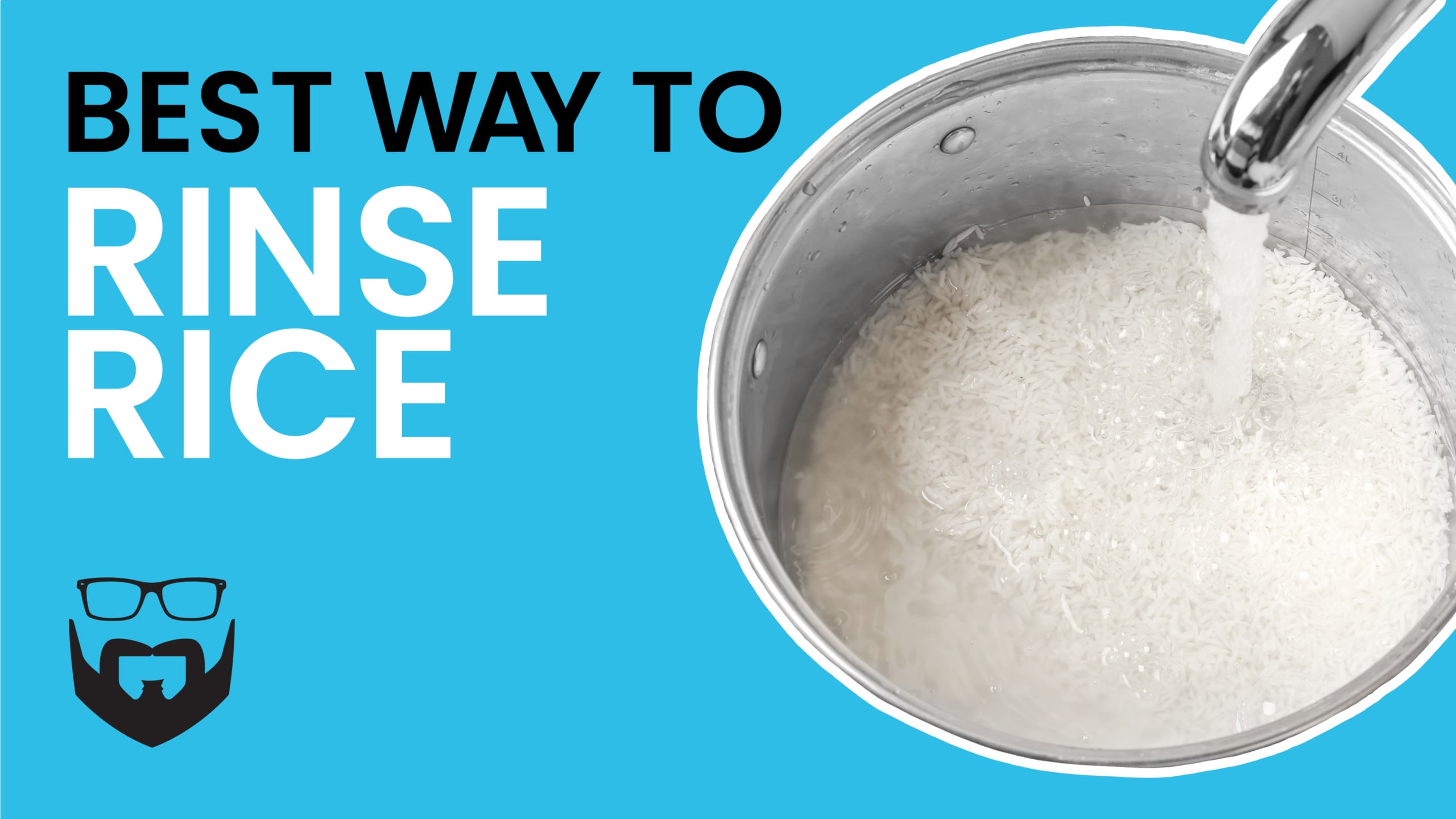
Ironically, the best way to rinse rice is to not rinse it at all. Plot twist. 🎬
Here’s why. You are sending a mini waterfall straight down the drain. Instead, soak-wash it.
A bowl soak + swish can use up to about 8x less water than blasting it under the faucet. Why? Many kitchen taps push out 1 to 2 gallons a minute, and a proper rinse can easily run close to a minute. A bowl method uses a fraction of that and gets the job done.
Important note: this is not a “soak to cook faster” situation. This is strictly washing rice before cooking.
How to soak-wash rice:
- Measure your rice.
- Put it in a bowl with some headroom.
- Add enough cold water to cover.
- Swish hard for 15 seconds.
- Let it soak 1 minute.
- Drain and repeat.
Agitate, soak, drain. Same clean rice energy, way less water drama. And yes, you can water your plants with that leftover starchy water, by the way. 🪴
B-T-dubs. You do not need the water to be clear, just a lot less cloudy.
Rice You Should Rinse (And Not Rinse)
To rinse or not to rinse. Some rice gets rinsed to wash away surface starch and dust. Other rice should not be rinsed because starch is the point. And yes, I mean soak-wash, not faucet-rinse. 🍚
Rice to Rinse
- White Rice
- Long-Grain Rice (Jasmine, Basmati)
- Medium-Grain Rice (Calrose)
- Short-Grain Rice (Sushi Rice, Sticky Rice)
- Brown Rice
- Black Rice
- Red Rice
- Wild Rice
Rice Not to Rinse
- Risotto Rice (Arborio, Carnaroli)
- Instant Rice
Optional
- Enriched Rice
- Paella Rice (Bomba)
- Parboiled Rice
You are officially the Rice Whisperer: you know what rice is, which types need a wash, which ones are a no-rinse divas, and how to save water. 💅