
What is Wild Rice
Wild rice is one of those foods that refuses to be straightforward. 💅 It’s called wild rice, but it is not actually rice. Think of this as wild rice’s coming out story.
That is not the first food lie you have heard. Strawberries are not true berries. Peanuts are not nuts. And in the United States, those “yams” at the grocery store are just mislabeled sweet potatoes, which are not even real potatoes.
Food can be more misleading than my Grindr profile.
Wild rice is the edible seed of aquatic grasses native to North America. Botanists call it a caryopsis, which sounds like a prescription but really just means a grass seed where the shell and skin are fused together. That makes it a grain, like wheat, barley, or corn. That fusion is what sets grains like wheat, oats, and rice apart from seeds like beans or nuts.
So while wild rice is not technically rice, it is related. Think of it as rice’s cousin. Both wild rice and true rice belong to the grass family Poaceae. They even share the same subfamily and tribe as rice. The split happens at the genus level. Rice is Oryza. Wild rice is Zizania.
It is like Senator Cory Booker and drag icon RuPaul. Related, but with completely different runway looks.
Both rice and wild rice grow in shallow water, which is why they look and cook so similarly, even though they are not the same plant. That is why wild rice is often called a rice analog.
Where Wild Rice Comes From
Wild rice is native to both North America and Asia.
In East Asia, wild rice is mainly grown for its edible stems, often called water bamboo, rather than for the grain. In North America, wild rice thrives in the Great Lakes region, into Canada, and along the upper Mississippi basin. It loves shallow lakes, slow moving rivers, and marshes. Very demure, very mindful.
For centuries, wild rice has been a major and sacred food for Indigenous communities. It is not just harvested. Traditionally, it is hand harvested by canoe, and that method is still widely used today under tribal and state regulations.
In the 1970s, wild rice made its way to California. So did I. Farmers brought seed from the Great Lakes region to the Sacramento Valley, where rice paddies already existed. California’s warm days and cool nights were perfect for growing wild rice, which is also why the wine is pretty great here. Brunch approved!
Today, California grows about 50% of the world’s wild rice. Seriously, this state has huge main character energy.
How Wild Rice Is Grown
Wild rice is grown in wetlands and shallow paddies. These wetlands support biodiversity by providing habitat and food for birds, fish, and other wildlife. 🌍💧
Farmers seed the paddies in spring. As the plants grow, the fields are flooded a few feet deep.
In fall, the fields are drained, and the wild rice is mechanically harvested. This is a lot more John Deere than canoe, more tractor than Jacques Cousteau.
After harvest, the wild rice is dried, roasted, and hulled. Removing the husk and roasting helps develop its dark color and deep, nutty flavor. It is giving smoky, moody, indie-film-grain vibes.
How to Cook Wild Rice
Start by rinsing wild rice under cool water. This helps remove dust, ash, or extra starch from harvesting and drying. You do not need any of that as seasoning.
You can also soak it, and there are good reasons to do that.
Soak wild rice for 30 minutes or overnight, depending on your commitment issues. Soaking can:
- Cut the cook time nearly in half
- Help the grains cook more evenly
- Improve digestibility
Cook time depends on the species and how it was processed. It can range from about 20 minutes to an hour.
Use a ratio of 1 part wild rice to 4 parts water. Bring it to a boil, then reduce the heat to a gentle simmer.
Cook uncovered, stirring occasionally, and keep going until most of the grains have split open.
The rice should be tender but still chewy, with a rich, hearty texture. Drain off any extra liquid, fluff it with a fork, let it sit and steam for a few minutes, then fluff again before serving. Yes, we are fluffing twice. We have standards.👨🍳
What Wild Rice Tastes Like
Wild rice has a nutty, woodsy flavor that works in soups, casseroles, salads, pilafs, stuffing, grain bowls, and even breakfast porridge. It pairs especially well with mushrooms, dried fruits, maple syrup, and citrus.
Basically, it is down to mingle with savory dishes, sweet dishes, or whatever you are serving. Giving full vers energy.
For extra flavor, cook it in stock instead of water or toast it lightly in a pan before adding liquid. A grain glow up!
Why You Should Eat More Wild Rice
Wild rice brings a lot more to the table than flavor. It is rich in minerals like manganese, magnesium, zinc, and phosphorus, and it contains B vitamins. It is basically the overachiever of the grain world, almost like a multivitamin.
It is lighter in calories than some other rice options, yet still high in protein and fiber. Wild rice is naturally gluten free and has a low glycemic impact, which makes it a solid fit for many different eating styles, from gym bro to treadmill twink.
It is not just nutritious. It is deep, moody, and full of character, like if Timothée Chalamet were a grain.
How To Store Wild Rice
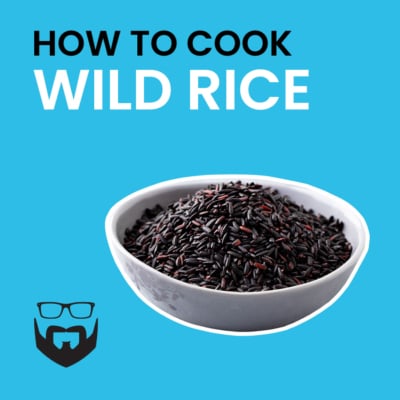
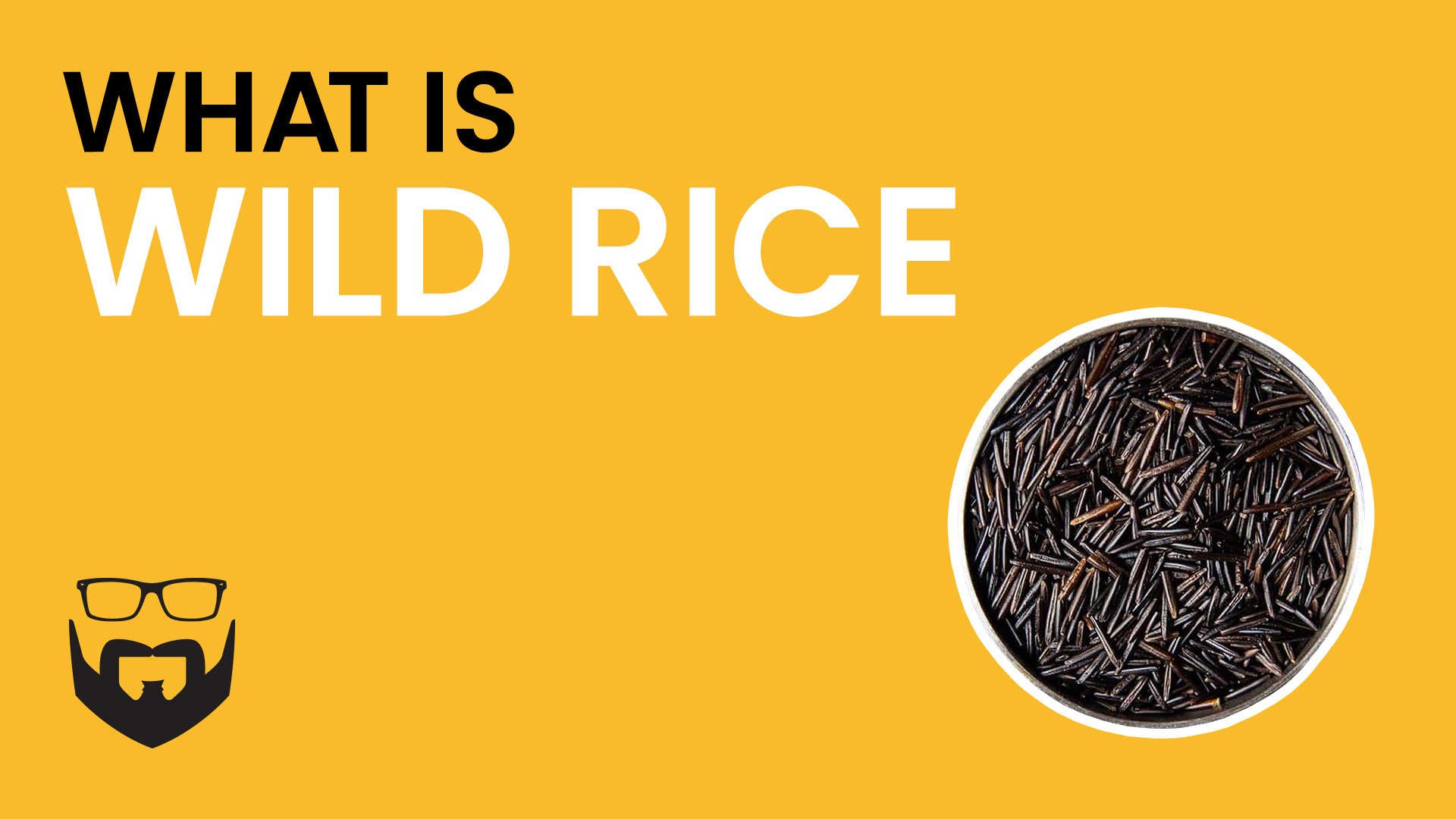
Uncooked wild rice is long, slender, and dark brown, almost black, with a glossy sheen. When it is cooked, the outer layer splits and curls back, revealing the inner grain.
Keep uncooked wild rice in an airtight container in a cool, dark, dry place. Think of it as where you store your family secrets, but for grains. Stored properly, it can last for up to 2 years.
Cooked wild rice should be stored in the refrigerator and used within about a week. You can also freeze cooked wild rice for up to 6 months. Meal prep queens, this is your moment.
Now you are ready to get your wild rice on!
If you make something that’s social media-worthy, tag me! I wanna see you slay! 😎